What’s Bugging You? Understanding Seasonal Pest Surges
As the seasons change, so does the occurrence of pest surges, an event that numerous households and ecosystems face across the globe. Seasonal pest surges are significant increases in pest populations that often coincide with specific seasons, influenced by environmental factors. These pest surges can be attributed to a combination of natural lifecycles, climate variations, available resources, and the changing interactions with other species. Understanding these seasonal patterns helps property owners anticipate potential infestations and implement timely prevention strategies. Many homeowners rely on local pest control to address recurring pest issues that follow predictable seasonal trends.
Understanding the Ecology of Pests
Pest ecology focuses on how environmental conditions, biological processes, and ecosystem interactions influence pest populations. Understanding these relationships allows for more effective management strategies and improved prevention methods. Examining the ecological factors behind pest behavior reveals why certain species thrive at specific times of the year and how their populations fluctuate.
Natural Lifecycles and Reproduction Patterns
Pests, like all organisms, follow natural lifecycles that are intricately linked to their environments. Many pests have evolved to synchronize their reproduction with favorable environmental conditions to maximize their chances of survival. For example, certain insects may time their hatching during the spring when food resources are plentiful, ensuring that their larvae have ample nutrition.
Each pest species has its unique reproduction rate, which can drastically influence population dynamics. Fast-reproducing pests like fruit flies or mosquitoes can quickly take advantage of favorable conditions to expand their populations rapidly. Natural selection has led many pest species to develop rapid reproduction as a strategy to counteract predation and environmental pressures. This reproductive strategy ensures that even if a significant portion of the population is lost, enough individuals survive to continue the species. Consequently, effective management often involves disrupting these lifecycles at critical points to prevent population explosions.
Impact of Climate and Weather Patterns
Climate and weather patterns are significant factors influencing pest behavior and population surges. Warmer temperatures can accelerate growth rates and reproductive cycles, leading to more frequent infestations. This phenomenon is notably seen with mosquitoes, whose breeding and development are heightened in warmer, wetter climates. Shifts in seasonal temperatures can also extend pest activity periods, increasing the duration of exposure for homes and businesses.
Conversely, extreme weather events such as droughts or heavy rains can also have profound effects on pest populations. Drought conditions may force pests to migrate toward human structures in search of water, while heavy rains create standing water that serves as breeding grounds. Understanding these climatic impacts allows for better predictive models and management strategies. Many property owners consult local pest control professionals to prepare for weather-driven pest increases and protect their homes.
Availability of Resources and Food Sources
The availability of resources, particularly food, plays a critical role in pest population dynamics. During seasons when food is abundant, pest populations are more likely to thrive and expand rapidly. The arrival of spring vegetation and increased organic matter provides ideal feeding opportunities for many insects and rodents.
Human activities can also unintentionally provide food sources. Improperly stored waste, leftover food, and organic debris create environments that attract pests and support population growth. Managing waste effectively and securing food storage areas can significantly reduce pest activity. These preventative measures are often recommended by local pest control providers as essential steps in maintaining a pest-resistant environment.
Role of Habitats and Environmental Changes
Pest habitats and environmental changes significantly impact pest prevalence and distribution. Many pests are highly adaptable and can exploit urban development, deforestation, or land use changes to their advantage. Urban environments often provide shelter, warmth, and consistent food sources that encourage pest survival and reproduction.
Environmental disruptions can also reduce predator populations, allowing certain pests to increase unchecked. Changes in landscaping or construction may unintentionally create new nesting areas. Designing environments that discourage pest colonization through proper landscaping and building maintenance helps minimize infestations. Recognizing the relationship between habitat changes and pest behavior supports long-term prevention strategies.
Interaction with Other Species
The interactions between pests and other species play a vital role in regulating pest populations. Natural predators such as birds, amphibians, and beneficial insects help keep pest numbers in balance. These relationships contribute to ecosystem stability and reduce the need for chemical intervention.
However, environmental changes or pesticide overuse can disrupt these natural controls. When predator populations decline, pest numbers may surge dramatically. Supporting biodiversity and protecting natural predator habitats can help maintain ecological balance and reduce seasonal infestations.
Springtime Pest Activity and Population Growth
Spring marks a period of renewal as many pests emerge from overwintering states and begin new reproductive cycles. Common spring pests include ants, termites, and beetles, all of which seek to establish or expand colonies. Rising temperatures and increased moisture create favorable breeding conditions that accelerate population growth.
Mobile pests such as mosquitoes and flies also become more active during this period. They exploit stagnant water and organic debris left by winter conditions, contributing to rapid population increases. Early monitoring and preventive measures are essential during spring, as intervention at this stage can significantly reduce future infestations.
Rising Temperatures and Increased Pest Activity
As temperatures rise, pests experience accelerated metabolic processes that increase feeding and reproduction rates. Warmer conditions also allow pests to expand into regions that were previously unsuitable for their survival. This geographical expansion can introduce new pest challenges for communities.
Preventive measures such as sealing entry points and eliminating breeding sites become particularly important during temperature shifts. These strategies, combined with professional local pest control services, help reduce the impact of temperature-driven pest surges and protect property from damage.
Summer Surges and Peak Pest Presence
Summer provides ideal conditions for many pests due to increased heat and humidity. Mosquitoes, ticks, flies, and stinging insects experience peak activity during this season. These pests reproduce rapidly and may pose health risks to humans through bites, stings, or disease transmission. According to IBISWorld, bed bug control revenue rose 5.9% in 2024, following a 10.6 % increase in 2023, highlighting the growing demand for professional pest management services during peak infestation periods.
Summer pests also affect agriculture, ecosystems, and outdoor activities. Managing breeding sites, removing standing water, and monitoring pest activity help reduce population growth. Many communities rely on local pest control initiatives to address widespread summer infestations and protect public health.
Human and Environmental Impacts of Summer Pests
Summer pest populations significantly impact both human health and environmental systems. Mosquitoes transmit diseases, while agricultural pests damage crops and vegetation. High pest activity can also disrupt tourism and recreational activities, leading to economic consequences.
Integrated Pest Management strategies that combine biological, mechanical, and chemical methods are commonly used to address these challenges. These approaches aim to minimize environmental harm while effectively controlling pest populations.
Fall Transitions and Preparations for Winter
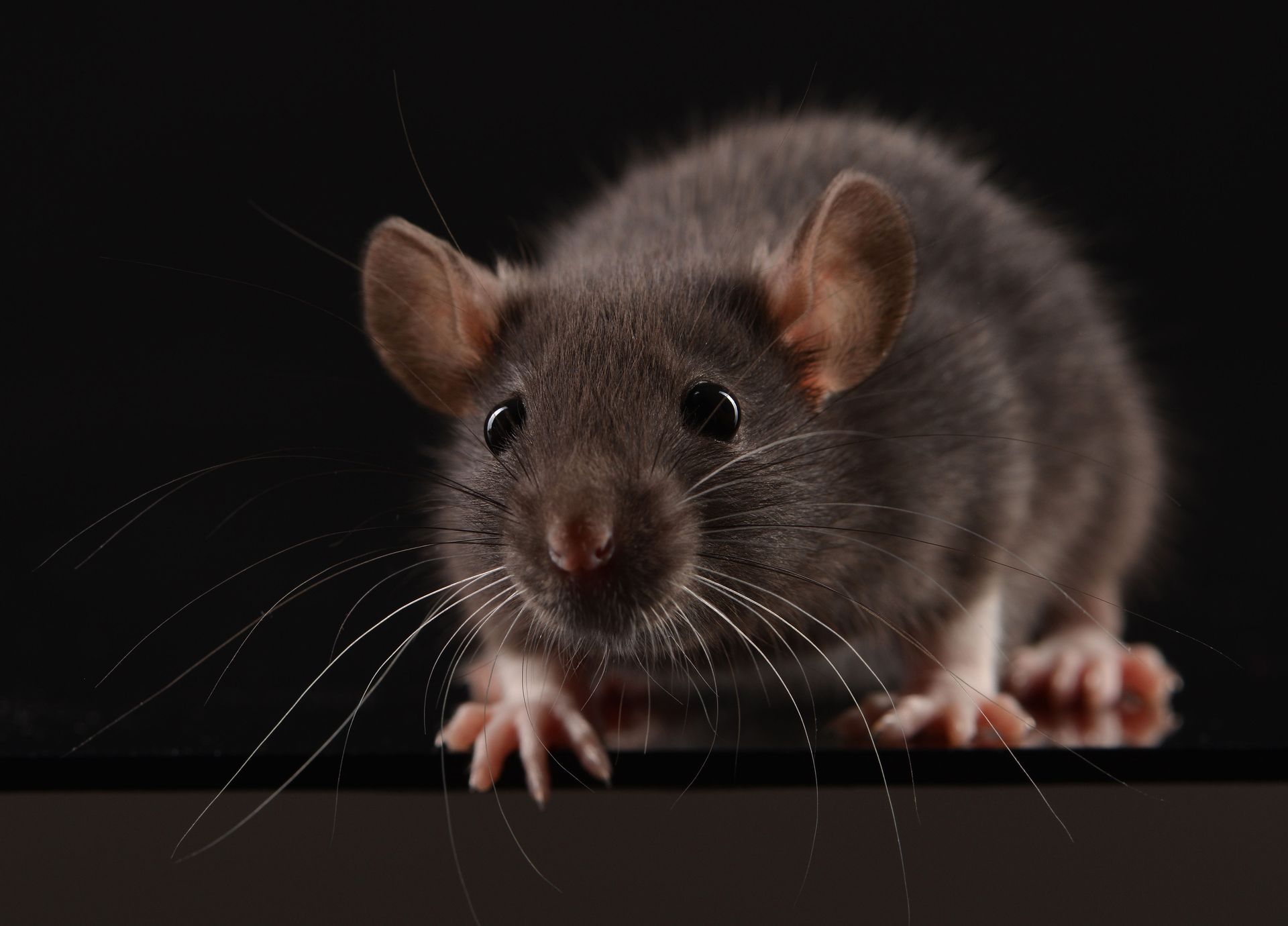
As fall approaches, pest behavior shifts toward survival preparation. Many insects enter dormant states, while rodents and other pests seek shelter indoors. Cooling temperatures and reduced food availability drive these behavioral changes.
Fall is an important time for preventative action. Sealing structural gaps, securing food sources, and removing outdoor debris help prevent pests from entering buildings. Seasonal inspections conducted by local pest control specialists can identify vulnerabilities and reduce winter infestations.
Seasonal pest surges result from complex interactions between environmental conditions, biological processes, and human activities. Understanding the ecological factors that influence pest populations enables more effective prevention and management strategies. From spring reproduction cycles to fall behavioral changes, each season presents unique challenges and opportunities for intervention.
By adopting proactive measures, supporting ecological balance, and implementing integrated management practices, individuals and communities can reduce pest-related risks. Professional local pest control services provide valuable expertise in addressing seasonal challenges, helping maintain safe and healthy environments throughout the year.



Share On: